Present Perfect Tense
The Present Perfect is a common tense in English. You should understand it, and know it well.
What's next?
Click Here for Step-by-Step Rules, Stories and Exercises to Practice All English Tenses
How do we use this tense?
PERFECT here means "complete, finished".The Present Perfect is a form of the verb that shows the action was complete before the present.
It does not mean the action is "perfect" (100%). It means the action is finished.
Here
are the
different usages of this tense:
-
Actions that happened at an unspecified time before the present
-
States that started in the past, and are still going on
Note: this is a broader use of this tense.
It is usually used with states, not actions.
Make sure you also read:
Examples of Typical Time ExpressionsPresent Perfect Example Sentences
Simple Past or Present Perfect – Which Tense Should You Use?
Actions
that happened at
an unspecified time before the present
(The verbs are
in bold)
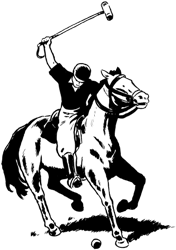
He has learned
how to ride a horse.
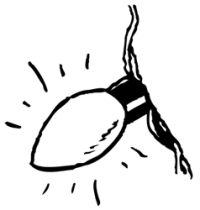
He has fixed
the light.
They have called 5 times already.


She has grown so much.
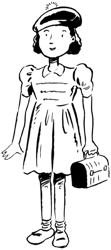
She has become such a good secretary.
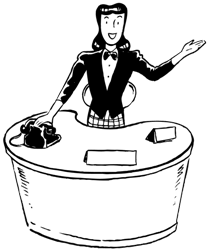
He has never done it before.

Actions
that ended recently
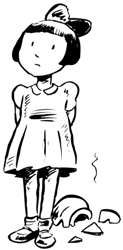
She has broken
the vase.
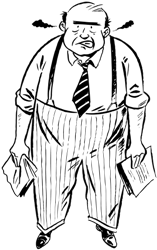
He has just seen the news.
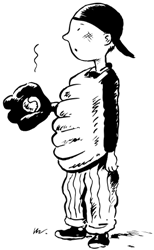
He has already caught the ball.
She has bought
some food for us.

He has lost his clothes.
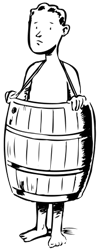
States
that started in the past,
and are still going on
It is usually used with states, not actions.
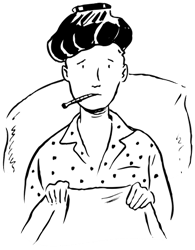
He has been sick since Saturday.
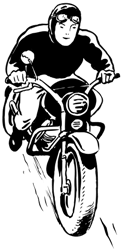
He has had
this motorbike for 5 years.
He has
always liked
him.
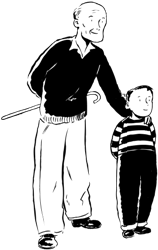
They have lived
here for a long time.
Examples
of
Typical Time Expressions
| Before the present | Recently | Up to now |
| ever | recently | since |
| never | lately | for |
| once | already | |
| 3 times | just | |
| so far | yet | |
| before | ||
| in the last week | ||
| in the previous year |

What's Next?
-
If you want, you can REREAD the previous explanations and examples.
- Read and practice with these stories and exercises.
Present Perfect Story 1

Linda has just walked outside with Grandmother. She wears an apron. So far, she has finished cleaning and washing. She has also gathered seeds and crumbs.
Now Linda and Grandmother are outside. Linda has just dropped some seeds on the ground to feed the birds. The birds have not come yet.
Recently, Grandmother has moved in with Linda's family. She now enjoys living with them.
Grandmother has already sat down on the bench. She also wears an apron. She has just finished cooking.
Grandmother and Linda wait for the birds. They have seen birds in the yard before. Grandmother has always liked to watch the birds. Linda has always liked to feed them.
Click here to download the worksheet: Present Perfect Story 1.
Present Perfect Story 2

Recently, it has snowed in Maria's town. In the last week, it has snowed three times. Maria has always loved the snow. She has played in the snow many times before.
Maria's dog, Sparky, has never played in the snow. This is Sparky's first snow. He has not felt the cold yet.
Maria has just received a new sled for Christmas. She puts on her warm clothes and snow boots. She pulls the sled up the hill. Sparky has run outside with Maria. Sparky has followed Maria up the hill. He feels good!
Maria has finally reached the top. She sits on her sled. She rides down the hill. Sparky runs beside the sled. They have finally reached the bottom. Sparky has followed Maria all the way down the hill. Sparky has decided that he likes the snow too!
Click here to download the worksheet: Present Perfect Story 2.
Get Updates, Special Offers, and English Resources
Download your FREE GIFT (the first two chapters of
English Short Stories Book and Workbook)
as soon as you join!
By submitting your email, you consent to receiving updates and newsletters from us and to the sharing of your personal data with third parties for the purposes of sending you communications. We will not spam you. You can unsubscribe at any time. For more information, please see our privacy policy.